
Bank Reconciliation
Bank reconciliation represents a significant innovation opportunity for small and medium-sized enterprises today. Thanks to the introduction of AI-based software, SMEs can transform this traditionally manual and time-consuming process into an efficient and automated procedure. The solutions available on the market offer advanced functionalities that go beyond simple matching of bank transactions and accounting records, incorporating predictive analytics and proactive liquidity management. This technological shift enables SMEs to achieve greater accounting accuracy, save valuable time, and significantly improve corporate treasury management.
Bank Reconciliation: Traditional Challenges for SMEs
Bank reconciliation, a fundamental process that requires the punctual verification of correspondence between bank transactions and accounting records, has historically been a burdensome activity for small and medium-sized enterprises. Before the advent of advanced technological solutions, this procedure was carried out manually, comparing printed bank statements with the journal entries, using basic tools such as highlighters and pencils. This traditional approach involved not only a considerable expenditure of time but also proved to be a frequent source of errors, with significant repercussions on corporate liquidity management.
Typelens Reconciliation
For SMEs, often characterized by limited resources and personnel engaged on multiple operational fronts, dedicating weekly or monthly hours to this activity represents a considerable time investment that diverts resources from higher value-added activities. The most critical aspect is the extremely manual nature of the process, which requires item-by-item verification of transactions, a tedious operation prone to human imprecision. This results in suboptimal financial management, with potential errors that can propagate throughout the company's accounting.
The lack of automation in this area has historically limited SMEs' ability to have timely and effective control over their finances, making financial planning more complex and slowing down decision-making processes based on liquidity data. This situation has created fertile ground for technological innovation, driving the development of solutions specifically aimed at solving these issues.

Artificial Intelligence Applied to Bank Reconciliation
The introduction of artificial intelligence has radically transformed the bank reconciliation process, bringing a level of automation previously unthinkable. Modern AI-based solutions are capable of reading documents and understanding their content in a way similar to a human operator, but with markedly superior speed and precision. These technologies primarily use generative artificial intelligence, capable of analyzing information contained in invoices, accounting documents, and bank statements, recognizing complex patterns and correlations within the data.
The core of these systems is represented by sophisticated algorithms that, like an expert accountant, can identify which transactions correspond to which invoices, even in the presence of imperfectly aligned data or different descriptions. This allows overcoming one of the main obstacles of manual reconciliation: the practical impossibility of efficiently managing large volumes of transactions with heterogeneous characteristics.
The most advanced software has integrated semantic engines that heuristically associate transactions, significantly accelerating the matching process. Furthermore, thanks to regulatory evolution, particularly with the introduction of PSD2 which allowed operators other than banks to access customer account information, these systems can now integrate directly with banking data, creating a continuous flow of information that powers automation.
Artificial intelligence does not merely replicate human work but enhances it through learning capabilities: the system progressively learns from the processed data, continuously improving its precision and efficiency over time. This characteristic represents a fundamental added value, making these tools increasingly performant with regular use.
Benefits of Using Typelens for SMEs
The adoption of AI-based bank reconciliation software offers SMEs numerous concrete advantages that go well beyond simple time savings.
Time and Resource Optimization
The most immediate benefit is the drastic reduction in time dedicated to manual reconciliation. What would normally require hours of work is completed in just a few minutes, freeing up human resources that can be employed in higher value-added activities. For SMEs, often characterized by lean structures and multitasking personnel, this means being able to optimize the allocation of human resources to strategic rather than operational functions.
Error Reduction and Greater Accuracy
Automation significantly reduces the risk of human errors in the reconciliation process. AI is capable of analyzing large volumes of data with consistent precision, ensuring the accuracy of the process even with high transaction volumes. This translates into more reliable accounting and financial statements that are always aligned and compliant with regulations, reducing the risk of tax or audit issues.
Typelens Automation
Improved Financial Control
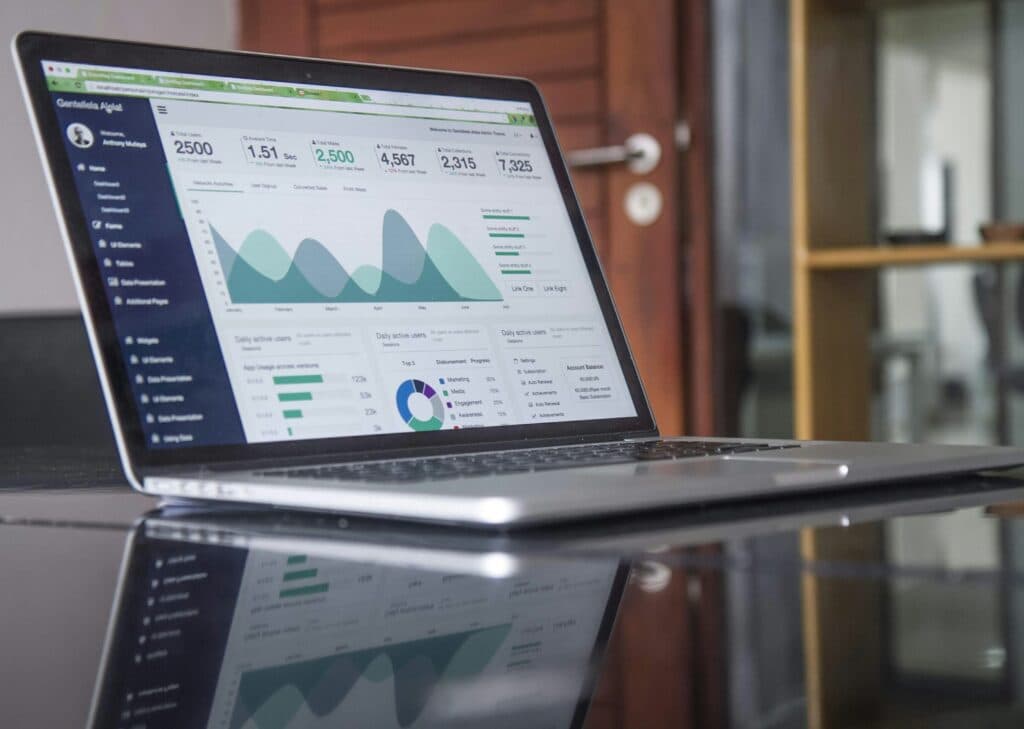
Automated reconciliation systems offer SMEs unprecedented visibility into their cash flows. Real-time dashboards allow easy verification of whether all deadlines have been met and whether customers have made their payments on time. This greater visibility enables tighter control of corporate finances and facilitates short- and medium-term financial planning.
Improved Relationships with Customers and Suppliers
Automation of reconciliation allows for rapid identification of payment discrepancies and their timely resolution. This improves communication with customers and accelerates dispute resolution, helping to maintain more solid and transparent business relationships. Furthermore, the ability to quickly process incoming payments allows for greater punctuality in meeting commitments to suppliers, strengthening the company's reputation.
Integration with Existing Systems
The choice of bank reconciliation software must take into account its ability to integrate with management and accounting systems already in use at the company. The most effective solutions offer connectors and APIs that allow fluid data exchange between different systems, avoiding duplication and discrepancies. This integration is essential for creating a coherent digital ecosystem that maximizes the overall efficiency of administrative processes.
Conclusion
The automation of bank reconciliation through AI-based software represents a significant turning point for SMEs, transforming a traditionally burdensome and error-prone activity into an efficient, precise, and strategically advantageous process. The solutions available on the market offer increasingly sophisticated functionalities, capable not only of automating the matching of bank transactions and accounting records, but also of providing in-depth analysis and decision support for financial management.
For SMEs, the advantages of this innovation are manifold: time savings, error reduction, improved financial control, and more accurate cash flow forecasts. These benefits translate into more efficient management of financial resources, better working capital, and reduced insolvency risk, crucial elements for the competitiveness and long-term sustainability of small and medium-sized enterprises.
In an increasingly dynamic and complex economic context, the adoption of automation technologies for bank reconciliation represents not just an opportunity for operational efficiency improvement, but a strategic necessity for SMEs that want to maintain control of their finances and dedicate their resources to activities that generate value for the business. With the continuous evolution of artificial intelligence, we can expect these solutions to become increasingly sophisticated, accessible, and integrated into the management landscape of SMEs.